 Melody Dickenson
 Identifying When You Need Orlando AC Repair and Expert HVAC Assistance

Air conditioning systems are critical for maintaining comfort, especially during the warmer months. However, like all mechanical systems, they have a limited lifespan and can experience issues that may require immediate replacement. Below are key indicators that it might be time to contact a professional HVAC contractor for an emergency replacement.
Your System Is Blowing Warm Air
– Compressor failure
– Refrigerant leaks
– Electrical problems
If troubleshooting or basic maintenance doesn’t solve the problem, you may need a professional to assess whether replacement is necessary.
Frequent Breakdowns
While minor repairs are normal over time, frequent breakdowns can add up in costs and signal that your AC unit has reached the end of its life expectancy.
Rising Energy Bills Without Increased Usage
Over time, components like coils and motors wear out, causing the system to consume more energy to deliver the same amount of cooling power. Modern systems are far more energy-efficient compared to older units, making replacement a cost-effective solution.
Unusual Noises During Operation
Unusual sounds such as grinding, rattling, or clanking could mean serious internal issues within your AC system.
– Worn-out bearings
– Damaged motor parts
– Loose connections
While some issues may be repairable by an HVAC technician, excessive noise from an outdated system might suggest it’s time for complete replacement.
Uneven Cooling Throughout Your Space
Poor distribution makes it difficult for the system to maintain consistent indoor temperatures and indicates inefficiencies that often warrant replacement.
| Sign | Possible Cause | Action Required |
| Warm air | Refrigerant leak or compressor issue | Professional assessment needed |
| Frequent breakdowns | Aging equipment | Consider replacing |
| Rising energy bills | Reduced efficiency | Upgrade recommended |
| Unusual noises | Mechanical failure | Technician inspection required |
| Uneven cooling | Faulty ducts or internal parts | Evaluate airflow & condition |
Excessive Humidity Indoors
A properly functioning AC unit regulates both temperature and humidity levels indoors.
Age of Your System
If your system approaches or exceeds this age range and exhibits performance issues like those mentioned above, replacing it with an updated model can save money on repairs while improving efficiency.
Finding the Best AC Repair Company Orlando FL Can Trust
Recognizing these warning signs early can help reduce downtime and prevent further complications during extreme weather conditions. Hiring a licensed professional HVAC contractor from www.orlandoacrepair.org ensures proper diagnosis and installation when emergency replacements become necessary. Always prioritize working with experienced technicians who can recommend energy-efficient options tailored to your needs while adhering to safety standards.
Trusted Orlando, FL HVAC Service for Professional System Installations and Repairs
Below are the reasons why choosing a licensed contractor is critical for dependable installations and repairs.
Why Licensing Matters
- Formal Education: Licensed contractors complete coursework in heating and cooling systems, electrical components, safety protocols, and energy efficiency.
- Hands-On Experience: They must work under experienced professionals for several years before qualifying for a license.
- Testing: Contractors must pass rigorous exams covering technical knowledge and state regulations.
This formal process guarantees that the professional you hire is knowledgeable about the latest industry practices.
Benefits of Working With Licensed Contractors
- Compliance with Local Codes
This ensures that your installation or repair project meets all legal requirements—avoiding potential fines or future complications during inspections. - Guaranteed Quality Workmanship
A license is a marker of professionalism and reliability. Contractors who hold licenses typically provide higher-quality work because they are held accountable by governing bodies. - Access to Manufacturer Warranties
- Insurance Coverage
This protects homeowners from financial liability in case of property damage or on-site injuries. - Energy Efficiency Expertise
Certified professionals stay updated on energy-efficient technologies such as programmable thermostats, heat pumps, or zoned systems—helping you save on utility bills.
Risks of Hiring Unlicensed Contractors
| Risk | Consequence |
| Poor Installation | Improperly installed systems may result in reduced efficiency or breakdowns. |
| Safety Hazards | Electrical mishaps or gas leaks could create hazardous conditions at home. |
| Lack of Accountability | Unlicensed contractors don’t adhere to ethical standards or regulatory oversight. |
| Voided Warranty | Improper installation could nullify equipment warranties. |
Tips for Verifying Licenses
- Request proof of licensing before signing any contract.
- Use online databases provided by your state’s licensing board.
- Check reviews from previous clients to validate the credibility of the contractor.
Choosing the Right HVAC Company Orlando for Reliable System Installations and Repairs
Assurance of Proper Training and Certification
- Complete formal education programs or apprenticeships.
- Pass rigorous certification exams to demonstrate their technical knowledge.
Compliance with Local Codes and Regulations
- Obtain necessary permits before starting work.
- Ensure all work meets safety and environmental standards.
- Prevent potential legal complications associated with unlicensed work.
Access to Quality Equipment and Warranties
- Many manufacturers honor warranties only when equipment is installed by a licensed professional.
- Proper installation by an expert ensures that warranties remain valid.
This can save you significant costs on future repairs or replacements.
Reliable Diagnosis and Repairs
HVAC systems are complex, consisting of various components like refrigerants, compressors, ductwork, and electrical controls.
- Quick identification of problems using advanced diagnostic tools.
- Long-term solutions rather than temporary fixes.
- Expert advice on whether replacement or repair is the most cost-effective option.
Insurance Coverage for Safety
| Scenario | Licensed Contractor | Unlicensed Individual |
| Damage caused during repair/installation | Covered by insurance | No coverage |
| Injury sustained by technician on your property | Covered by workers’ comp | Homeowner liable |
This layer of protection makes hiring a licensed contractor a safer choice.
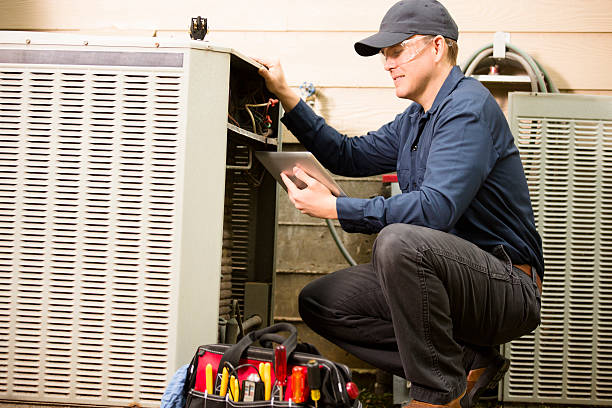
Energy Efficiency Expertise
A properly installed or repaired system operates more efficiently.
- Recommending energy-efficient systems suited for your home size.
- Installing systems in ways that minimize energy loss.
- Conducting maintenance checks to ensure optimal performance.
This results in lower utility bills over time while reducing your carbon footprint.
Long-Term Cost Savings
- Longer system lifespan from quality workmanship.
- Greater resale value of your property due to well-maintained HVAC systems.
By investing in a skilled professional now, you save money while avoiding costly mistakes down the line.
Make sure you verify credentials before starting any project for greater peace of mind and long-lasting results.
Common HVAC Problems That Call for Orlando Air Conditioning Repair Experts
However, like any mechanical system, they are prone to wear and tear over time. Some issues can be managed with routine maintenance, but others require immediate attention from an expert. Below, we’ll explore some of the most common HVAC issues that demand professional intervention.
Signs of Urgent HVAC Problems
Several HVAC issues can escalate quickly if left unaddressed.
- Unusual Noises: Banging, screeching, or grinding sounds may indicate serious problems such as motor failure or loose components in your system.
- Inconsistent Temperatures: Hot and cold spots in different areas of your home could signal problems with the thermostat, ductwork, or airflow distribution.
- Poor Airflow: Weak airflow could be caused by clogged filters, blocked vents, or failing blowers. If left unaddressed, it can reduce efficiency and strain your system.
- Frequent Cycling: Rapidly turning on and off (short cycling) is often linked to thermostat malfunctions, refrigerant issues, or oversized equipment that needs adjustment by a professional.
- Strange Odors: Burning smells may be due to electrical issues, while musty odors often point to mold growth in ductwork or condensate lines.
Common Causes of HVAC Emergencies
| Issue | Potential Cause | Why Immediate Action is Needed |
| Refrigerant Leaks | Damaged coils or connections | Reduces efficiency and risks compressor failure |
| Electrical Failures | Faulty wiring or capacitor problems | Could lead to complete shutdown or fire hazards |
| Clogged Drain Lines | Algae growth blocking condensate drainage | May cause water damage and lead to mold formation |
| Dirty Filters | Neglecting regular replacement | Restricts airflow and can overheat components |
| Thermostat Malfunctions | Sensor errors or outdated technology | Affects accurate temperature control |
Why You Shouldn’t Delay Repairs
- Increased Energy Bills– Unresolved HVAC problems often cause inefficiencies that drive up energy costs.
- Higher Repair Costs– Minor issues left unchecked tend to worsen over time, leading to more expensive fixes.
- System Replacement– Severe neglect may result in premature failure of the entire unit.
Benefits of Hiring an Expert for Emergency Repairs
- Thorough diagnostics using advanced equipment.
- Quick identification of underlying causes.
- Access to high-quality replacement parts.
- Preventative advice to avoid future emergencies.
By addressing these common issues promptly with the help of a licensed technician, you’ll ensure your HVAC system continues operating efficiently while maintaining indoor comfort year-round.
Tips for Finding Financing Options When Working With an Experienced HVAC Contractor
However, working with an experienced HVAC contractor often opens the door to financing options that can make these services more affordable. Here are some essential tips to help you navigate financing opportunities when collaborating with a professional HVAC contractor.
Discuss Payment Options Directly with Your Contractor
Reputable HVAC contractors often have established relationships with financial institutions or offer in-house financing plans to make their services accessible.
- In-House Financing Plans: Some contractors provide payment plans that allow you to break down the total cost into manageable installments over time.
- Deferred Payment Options: Certain plans may include no-interest periods or deferred payments for a specified timeframe.
- Discounts for Upfront Payments: Inquire if paying in full upfront offers any discounts or incentives.
By understanding what your contractor offers, you can determine which option fits your budget.
Explore Manufacturer Rebates and Promotions
Many HVAC manufacturers run seasonal promotions or offer rebates on specific products, particularly energy-efficient systems. These rebates can significantly lower the overall cost of installation or replacement.
- Ask your contractor about current manufacturer promotions they are aware of.
- Check manufacturer websites directly for rebate details.
- Confirm deadlines and ensure eligibility requirements are met before purchase.
| Manufacturer | Typical Rebate Amount | System Type | Eligibility Requirements |
| Brand A | Up to $500 | Energy-efficient air conditioner | Professional installation required |
| Brand B | $300-$800 | Smart thermostats & heat pumps | Proof of purchase submission |
Consider Energy Efficiency Loan Programs
Energy-efficient upgrades not only reduce utility bills but may also qualify for specialized loans provided by state programs or green energy initiatives. Many states in the U. S. , for instance, offer programs like the Residential Energy Efficiency Loan Program (REEL). Discuss these options with your contractor, who may have experience assisting customers through such processes.
Some common benefits include: – Lower interest rates compared to traditional loans. – Flexible repayment terms tailored for homeowners. – Incentives like partial loan forgiveness for choosing eco-friendly systems.
Look Into Financing Through Third Parties
- Home Equity Loans/Lines of Credit (HELOC): Using home equity as collateral could provide lower interest rates than personal loans.
- Personal Loans: These unsecured loans can be used without tying them directly to property ownership.
- Credit Cards: Some credit cards have promotional low-interest rates that can cover immediate expenses if repaid promptly.
Compare fees and interest rates carefully across these options before committing.
Consult Your Utility Provider
Many local utility companies collaborate with HVAC contractors to provide incentives or support financing initiatives related to energy efficiency projects.
- Low-interest loan programs backed by utility companies.
- Monthly repayment plans integrated into your existing utility bills.
- Free consultations on eligible upgrades designed to save energy costs over time.
Finding suitable financing when upgrading or repairing an HVAC system doesn’t need to be overwhelming. By leveraging resources offered by experienced contractors and exploring available financial options, you can invest in comfort without overextending yourself financially.
- Identifying When You Need Orlando AC Repair and Expert HVAC Assistance
- How to Know When to Call an AC Repair Company Orlando FL for a Replacement
- Signs You Need a New AC from a Trusted AC Repair Company Orlando FL
- Comparing Orlando AC Repair Costs vs Replacement for Your Home
- Understanding the True Costs of Hiring an AC Repair Company Orlando FL: A Complete Homeowner’s Guide
- Understanding Common AC Problems and How an HVAC Company Orlando Can Solve Them
- How to Recognize When to Call an AC Repair Company Orlando FL for Replacement
- The Importance of Choosing Orlando, FL HVAC Service for Your Home
How to Know When to Call an AC Repair Company Orlando FL for a Replacement

Your air conditioning unit plays a crucial role in maintaining indoor comfort, particularly during warmer months. However, even with regular maintenance, all systems have a finite lifespan. Recognizing the warning signs that indicate your AC unit needs to be replaced can help you avoid costly repairs and unexpected breakdowns.
Key Indicators Your AC Unit Needs Replacement
- If certain areas of your home remain warm or cool unevenly despite adjustments to the thermostat, it could mean your system is no longer capable of distributing air effectively.
- Poor airflow may also indicate issues with failing components such as the compressor or ducts.
- When repair costs start adding up, replacing the unit might be more cost-effective than continually addressing recurring issues. As a general rule, if repair expenses exceed 50% of the cost of a new system, replacement is recommended.
- An older AC system tends to work harder to maintain desired temperatures, leading to increased energy consumption.
- Compare your current utility bills with those from previous years; significant spikes may point to decreasing efficiency in your unit.
- Most air conditioners have an average lifespan of 10-15 years with proper maintenance.
- If your system is approaching or surpassing this range, it may struggle to keep up with modern efficiency standards and cooling demands.
- Grinding, rattling, or banging sounds often indicate mechanical issues that could lead to failure.
- Musty odors might suggest mold growth within the system or ductwork, while burning smells could signal electrical issues.
- Leaking refrigerant not only reduces cooling performance but can also pose environmental and health risks.
- Older units using R-22 refrigerant (phased out due to environmental concerns) should especially be replaced rather than repaired.
Advantages of Replacing an Outdated Air Conditioning Unit
| Benefit | Explanation |
| Enhanced Energy Efficiency | Modern systems are designed to meet higher Seasonal Energy Efficiency Ratio (SEER) ratings for cost savings on utility bills over time. |
| Better Indoor Comfort | Newer models provide improved temperature control and better humidity management for consistent indoor climates. |
| Environmentally Friendly | Systems using eco-friendly refrigerants like R-410A minimize environmental impact compared to older units using R-22 refrigerant. |
| Lower Maintenance Costs | A new unit requires less frequent maintenance and eliminates recurring repair expenses associated with aging systems. |
When Should You Consult an HVAC Professional?
- They can inspect key components such as compressors, evaporator coils, and fan motors.
- Experienced contractors often provide energy efficiency audits and tailored recommendations based on your home’s specific needs.
- Professionals ensure any replacement complies with local codes and regulations while optimizing performance.
Addressing potential issues early not only saves money but ensures uninterrupted comfort during peak usage periods throughout the year.
Key Factors That Influence AC Replacement Costs and Finding the Best Orlando, FL HVAC Service
Replacing an air conditioning unit is a significant investment for any homeowner. Knowing what to expect in terms of costs and the factors that influence pricing can help you make informed decisions. Below, we’ll break down the average costs and key considerations when replacing your AC system.
Average Costs of AC Replacement
| Component | Estimated Cost Range |
| New AC Unit | $3,500 – $7,500 |
| Installation Labor | $1,200 – $3,000 |
| Ductwork Repairs/Replacement | $1,000 – $5,000 (if required) |
| Additional Features (Smart Thermostat) | $200 – $500 |
Keep in mind that these are just averages. The actual price may vary depending on your location and specific needs.
Key Factors Influencing AC Replacement Costs
- Type of AC System:
Central air systems tend to be more expensive than window units or ductless mini-splits due to their broader coverage area and complex installation requirements. - Unit Size and Capacity:
Larger homes require systems with higher cooling capacities (measured in BTUs), which can increase both equipment and installation costs. A professional contractor will perform a load calculation to determine the appropriate size for your home. - Energy Efficiency Rating:
Systems with higher SEER (Seasonal Energy Efficiency Ratio) ratings are more energy-efficient but typically come at a higher upfront cost. Investing in such units can reduce long-term utility expenses. - Additional Equipment or Repairs:
If your ductwork is outdated or damaged, repairs or replacements might be required as part of the project. Similarly, adding features like zoned cooling or smart thermostats will increase costs. - Labor Rates by Region:
HVAC contractor rates vary based on location. For instance, urban areas with high demand may charge more for labor compared to smaller towns or rural locations.
Tips for Managing AC Replacement Costs
- Obtain multiple quotes from certified HVAC contractors to compare pricing.
- Ask about financing plans or seasonal discounts offered by contractors.
- Consider energy rebates available in your state for high-efficiency systems.
- Schedule your replacement during off-peak seasons (spring or fall) when demand for HVAC services is lower.
Why It’s Important to Work with Professionals
Attempting DIY installation might seem like a way to save money upfront but could result in costly mistakes down the road. Certified HVAC professionals bring expertise and tools necessary for proper sizing, installation, and compliance with local building codes—ensuring long-term performance and safety for your new system.
By understanding these cost factors and working closely with experienced contractors, you can make confident decisions about upgrading your air conditioning system while staying within budget limits.
Key Factors Influencing AC Replacement Costs from an HVAC Company Orlando
When it comes to replacing your air conditioning (AC) unit, understanding the costs and factors that contribute to those expenses is crucial. AC replacement can be a significant investment, and being informed helps ensure you make the right decisions for your home and budget. Below is a breakdown of the average costs and key elements that influence pricing.
Average Costs of AC Replacement
| Type of System | Estimated Cost Range (Including Installation) |
| Central Air Conditioner | $3,000 – $7,500 |
| Ductless Mini-Split System | $2,000 – $8,000 |
| Window Unit | $150 – $750 |
| Portable Unit | $300 – $1,200 |
Keep in mind these figures might vary based on your region or specific service provider.
Key Factors Influencing AC Replacement Costs
- Unit Size (Capacity)
The size of the air conditioner you need depends on your home’s square footage. Larger homes typically require units with higher capacities (measured in BTUs), which tend to cost more. An undersized or oversized unit can lead to inefficiencies or unnecessary wear and tear. - Energy Efficiency Ratings
Modern AC units come with energy-efficiency ratings such as SEER (Seasonal Energy Efficiency Ratio). Units with higher SEER ratings are more energy-efficient but often come with a higher upfront cost. Over time, however, these units can reduce utility bills significantly. - Ductwork Modifications
If your current ductwork is outdated or damaged, repairs or modifications may be necessary before installation. This additional work can increase overall costs but ensures proper airflow and system efficiency. - Brand Name and Quality
Well-known brands with a reputation for durability often come at a premium price compared to lesser-known manufacturers. Investing in a reputable brand can provide long-term peace of mind. - Labor Costs
Installation costs vary depending on the contractor’s experience level and regional rates for HVAC services. Certified professionals may charge more but often deliver better workmanship and system reliability. - Additional Features
Options like smart thermostats, zoned cooling systems, or air purification add-ons can increase costs but enhance convenience and indoor air quality.
Tips for Managing Costs
- Request Multiple Quotes: Contact at least three HVAC contractors to compare prices while assessing their expertise.
- Consider Rebates: Many energy-efficient systems qualify for tax credits or manufacturer rebates.
- Plan During Off-Peak Seasons: Replacing an AC unit during cooler months might save you money since demand for HVAC services tends to decrease during these periods.
- Opt for Financing Options: Many contractors offer payment plans that allow you to spread out costs over time without overwhelming your budget.
Understanding these cost components empowers homeowners to plan appropriately when it’s time for an AC replacement while ensuring optimal performance from their investment over many years ahead.
Finding the Best Orlando Air Conditioning Repair Service for Your Home Needs
Selecting the right HVAC contractor is a critical decision for homeowners. A well-qualified contractor ensures that your heating and cooling systems are installed, maintained, and repaired correctly, which can save you time, money, and stress in the long run. Here’s a comprehensive guide to help you choose the best HVAC contractor for your home needs.
Key Factors to Consider When Selecting an HVAC Contractor
- Ensure the contractor holds all necessary state and local licenses.
- Look for certifications like NATE (North American Technician Excellence) or other industry-recognized credentials that demonstrate expertise.
- Opt for a contractor with several years of experience in installing or servicing HVAC systems similar to yours.
- Ask about their familiarity with specific brands or advanced technologies like smart thermostats or energy-efficient systems.
- Verify that the contractor has liability insurance and worker’s compensation coverage to protect both parties in case of accidents or damages during service.
- Check online reviews on platforms like Google, Yelp, or Better Business Bureau (BBB).
- Request references from previous clients to gain insights into their work quality and professionalism.
- Obtain detailed written estimates before agreeing to any service. This should include labor costs, materials, warranties, and additional fees if applicable.
- Avoid contractors who provide vague quotes or pressure you into making hasty decisions.
- A great contractor should focus on energy-efficient solutions tailored to your home’s needs.
- They should be knowledgeable about ENERGY STAR-rated products and utility rebates.
- Ask about warranties on parts as well as guarantees on labor services provided by the company.
- Contractors who stand by their work often provide better long-term reliability.

Questions You Should Ask During Consultation
- What brand(s) do you recommend for my system replacement? Why?
- How do you handle unexpected issues during installation?
- Can you conduct a load calculation to determine my home’s HVAC needs?
Asking these questions helps establish trust while ensuring that your chosen professional has adequate knowledge about both your system requirements and industry standards.
Red Flags to Watch Out For
- Lack of proper licensing or certifications.
- Unwillingness to provide clear documentation regarding project scope.
- Rushing through evaluations without conducting thorough inspections.
- Poor communication or unprofessional behavior during consultations or follow-ups.
Comparison Table of Key Contractor Attributes
| Attribute | What To Look For | Why It Matters |
| Licensing & Certification | State license; NATE certification | Ensures compliance with regulations & expertise |
| Experience | 5+ years in residential services | Shows reliability & ability |
| Insurance Coverage | Liability & worker’s compensation insurance | Protects against financial risks |
| Reputation | Positive online reviews; client references | Reflects quality & customer satisfaction |
| Transparent Pricing | Detailed written estimate | Prevents hidden costs |
Selecting the right HVAC contractor doesn’t have to be daunting when armed with this knowledge. Proper research will help ensure a seamless process from consultation through service completion while safeguarding your investment in home comfort systems effectively over time.
Expert Solutions for Orlando AC Repair and Common Air Conditioning Problems
Air conditioning systems are essential for maintaining comfort in homes and workplaces, especially during warmer months. However, these systems can experience various issues over time. While some minor problems have easy fixes, certain situations necessitate the expertise of a professional HVAC contractor. Below is an overview of common air conditioning problems that often require expert intervention.
1. Refrigerant Leaks
Refrigerant is critical for the cooling process in your air conditioning system. Over time, refrigerant lines can develop leaks due to wear and tear or physical damage. Low refrigerant levels not only reduce cooling efficiency but may also cause compressor failure if left unresolved.
Signs of refrigerant issues include: – Warm air blowing from vents instead of cool air. – Increased energy bills due to reduced efficiency. – Hissing or bubbling noises near the system.
A certified HVAC contractor can locate the source of the leak, repair the damage, and recharge your system to its proper refrigerant levels.
2. Faulty Electrical Components
Modern AC units rely heavily on electrical components such as relays, capacitors, and circuit boards. Over time, these parts may degrade or fail entirely. Faulty electrical components can lead to frequent cycling of the system or even complete shutdowns.
Common symptoms of electrical issues include: – The unit fails to turn on. – Frequent tripping of circuit breakers. – Burning smells or visible wiring damage.
Attempting DIY repairs on electrical components is risky and could void warranties. A licensed professional has the tools and expertise to safely diagnose and replace damaged parts.
3. Frozen Evaporator Coils
Evaporator coils absorb heat from indoor air to cool your space effectively. If airflow is restricted due to clogged filters, dirty coils, or fan issues, these coils may freeze over. A frozen coil not only reduces cooling capacity but can also strain other components like the compressor.
Potential causes of frozen evaporator coils: – Dirty air filters blocking airflow. – Refrigerant imbalances. – Blower motor malfunction.
An HVAC technician will inspect your system, clean any buildup on coils, ensure proper airflow, and address underlying causes like low refrigerant levels.
4. Inconsistent Temperature Control
- Improperly sized HVAC units for your home.
- Ductwork leaks causing air loss.
- Thermostat malfunctions needing recalibration or replacement.
An experienced contractor will evaluate both your AC unit and ductwork design to recommend solutions tailored to your home’s layout and needs.
5. Noisy Operation
| Noise Type | Possible Cause |
| Grinding | Worn-out motor bearings |
| Banging/Rattling | Loose internal components |
| Squealing | Belt issues |
Ignoring unusual noises can lead to more extensive (and expensive) repairs later on. Prompt professional attention ensures safety and prolongs equipment life.
Addressing complex air conditioning problems requires specialized skills that only trained professionals possess. If you notice any warning signs outlined above—or if you’re unsure about a developing issue—consulting an experienced HVAC contractor is always a wise investment in ensuring optimal performance for years ahead.
The Importance of Hiring Certified and Experienced HVAC Contractors for Quality Service
When it comes to maintaining, repairing, or replacing your HVAC system, hiring the right professional can make all the difference. Certified and experienced HVAC contractors bring a level of expertise and reliability that ensures your home’s heating and cooling systems are handled with care and precision. Below, we explore why choosing certified professionals is essential and what key benefits they offer.
Why Certification Matters
- Technical Knowledge: Certified contractors have comprehensive knowledge of HVAC systems, including installation, repair, and maintenance protocols.
- Compliance with Regulations: They are well-versed in local building codes, safety regulations, and environmental standards.
- Access to Industry Updates: Certified professionals stay updated on advancements in HVAC technology to provide advanced solutions.
Without proper certification, there’s an increased risk of subpar work that could compromise your system’s performance or even void warranties.
Experience Drives Quality
- Accurate Diagnoses: Through years of hands-on work, experienced technicians can quickly detect problems that might not be obvious to less-seasoned professionals.
- Custom Solutions: They provide tailored recommendations based on your home’s unique needs rather than generic fixes.
- Fewer Errors: Having dealt with various systems over time, they’re less likely to make costly mistakes during installation or repair.
Key Benefits of Hiring Certified & Experienced Contractors
| Benefit | Description |
| Enhanced System Efficiency | Proper installation minimizes energy waste while maximizing performance. |
| Cost Savings | Avoid repeated repairs or replacements due to poor workmanship. |
| Peace of Mind | Assurance that the job will be done correctly the first time. |
| Warranty Protection | Many manufacturers require certified technicians for warranty validity. |
Risks of Relying on Inexperienced Contractors
- Improper system sizing leading to inefficiencies.
- Substandard repairs causing recurring breakdowns.
- Voided warranties due to non-compliance with manufacturer guidelines.
Questions to Ask Before Hiring an HVAC Contractor
- Are you licensed and insured?
- Can you provide references from past clients?
- What certifications do you hold?
- Do you specialize in specific brands or types of systems?
- What warranties or guarantees do you offer for your work?
By taking these steps and prioritizing expertise over price alone, homeowners can safeguard their investment while ensuring long-term comfort and safety in their living spaces.
Summary
Hiring certified and experienced HVAC contractors is not simply a choice but an essential step toward quality service for your home’s heating and cooling needs. Their technical knowledge, compliance with industry standards, ability to provide tailored solutions, and commitment to excellence make them reliable partners in maintaining optimal indoor comfort year-round.
Tips for Maximizing Efficiency and Longevity After an HVAC System Replacement
Replacing your HVAC system is a significant investment. To ensure your new system operates efficiently and lasts as long as possible, there are several steps you can take. By following these tips, you can not only improve energy efficiency but also reduce long-term operational costs while maintaining optimal indoor comfort.
Schedule Regular Maintenance
Routine maintenance is one of the most effective ways to prolong the life of your HVAC system. Consider the following best practices:
– Seasonal Tune-Ups: Schedule professional inspections at least twice a year (spring for cooling systems, fall for heating systems).
– Filter Replacement: Replace air filters every 1-3 months depending on usage, location, and filter type. Dirty filters reduce airflow and strain the system.
– Inspect Ductwork: Leaky ductwork can lead to significant energy loss. Ensure ducts are sealed and insulated properly during routine checks.
Optimize Thermostat Settings
Proper thermostat management helps balance comfort and energy efficiency:
– Use Programmable Thermostats: Set temperatures based on your daily schedule to avoid unnecessary heating or cooling when no one is home.
– Maintain Consistent Temperatures: Large temperature swings force the system to work harder, reducing its lifespan over time.
– Smart Thermostats: Upgrade to smart thermostats that allow remote control and energy usage tracking for better optimization.
| Temperature Setting Recommendation | Season | Suggested Temperature |
| Daytime (Occupied) | Summer | 75°F – 78°F |
| Nighttime/Unoccupied | Summer | 80°F |
| Daytime (Occupied) | Winter | 68°F – 72°F |
| Nighttime/Unoccupied | Winter | 62°F – 65°F |
Improve Insulation and Airflow
An efficient HVAC system works best in well-insulated homes with proper airflow: – Seal Windows and Doors: Prevent drafts by using weatherstripping or caulking around windows, doors, and other potential leaks. – Add Insulation: Ensure areas like attics, walls, or basements have adequate insulation. – Clear Vents/Registers: Avoid blocking vents with furniture or curtains to maintain even airflow across rooms.
Monitor Energy Usage
Keep track of your system’s performance to identify inefficiencies early: 1. Monitor utility bills for unusual spikes in energy consumption. 2. Use energy monitoring tools or apps if integrated with your smart thermostat. 3. Observe changes in heating/cooling time—if it takes longer than usual, it may indicate inefficiency.
Keep Surrounding Areas Clean
A clean environment ensures optimal HVAC performance: – Clear debris such as leaves or dirt from outdoor condenser units. – Trim vegetation around outdoor units to maintain at least two feet of clearance. – Regularly clean indoor components like vents and returns using a vacuum or damp cloth.
By incorporating these tips into your regular routine, you can maximize the performance of your newly replaced HVAC system while minimizing repair costs over time. Additionally, partnering with a reliable HVAC contractor for periodic inspections ensures that any potential issues are addressed before they escalate into costly repairs or replacements.
- Identifying When You Need Orlando AC Repair and Expert HVAC Assistance
- How to Know When to Call an AC Repair Company Orlando FL for a Replacement
- Signs You Need a New AC from a Trusted AC Repair Company Orlando FL
- Comparing Orlando AC Repair Costs vs Replacement for Your Home
- Understanding the True Costs of Hiring an AC Repair Company Orlando FL: A Complete Homeowner’s Guide
- Understanding Common AC Problems and How an HVAC Company Orlando Can Solve Them
- How to Recognize When to Call an AC Repair Company Orlando FL for Replacement
- The Importance of Choosing Orlando, FL HVAC Service for Your Home
Signs You Need a New AC from a Trusted AC Repair Company Orlando FL

1. Frequent Repairs
If your air conditioning system requires frequent repairs within a short period, this may indicate that the unit is nearing the end of its operational life. Constant breakdowns not only result in higher repair bills but also disrupt the comfort of your home or office. It’s often more cost-effective to invest in a new unit rather than continuing to pour money into an aging system.
2. Inefficient Cooling Performance
When your AC struggles to maintain a consistent temperature or fails to cool certain areas of your home effectively, it may signal deteriorating components such as compressors, coils, or refrigerants. This inefficiency not only creates discomfort but also drives up energy costs due to longer operational hours.
3. Rising Energy Bills
Older air conditioners tend to lose efficiency over time due to wear and tear on their components. If you notice an unexplained spike in your energy bills despite no significant changes in usage patterns, this could be a sign that your unit is working harder than necessary and needs replacement with an energy-efficient model.
| Sign | What It Indicates |
| Frequent repairs | Aging or failing components |
| Inefficient cooling | Worn-out parts impeding performance |
| Rising energy bills | Loss of efficiency due to old equipment |
4. Unusual Noises
Loud or unusual sounds such as grinding, banging, or squealing coming from your AC unit often point to serious internal issues like motor failure or loose parts. While some noises can be resolved through maintenance, persistent problems may require replacing the entire system.
5. System Age
Most air conditioners have an average lifespan of 10-15 years. If yours is approaching or exceeding this range, replacing it with a modern and efficient model can offer better reliability and lower operating costs while meeting current environmental standards.
Why You Should Choose Orlando, FL HVAC Service for AC Replacement
- Improved Energy Efficiency: Modern systems use advanced technology for better performance with less energy consumption.
- Enhanced Indoor Comfort: A new unit provides consistent cooling without uneven temperature distribution.
- Lower Maintenance Costs: Newer systems come with warranties and require fewer repairs compared to older units.
- Reduced Environmental Impact: Energy-efficient models lower carbon footprints by consuming less power.
Making informed decisions about replacing your air conditioning unit not only improves comfort but also minimizes long-term expenses and energy usage.
Achieve Energy Efficiency Improvements with a Leading HVAC Company Orlando Offers
Energy efficiency has become a priority for homeowners and businesses alike, as it not only reduces energy bills but also minimizes environmental impact. Partnering with an expert HVAC contractor can help you identify and implement key improvements to maximize your system’s efficiency. Below are some ways professional HVAC contractors can enhance energy efficiency in your heating and cooling systems.
1. System Evaluation and Upgrades
Expert HVAC contractors conduct thorough assessments of your system to determine whether it’s operating at peak performance or if upgrades are necessary. This process may involve: – Inspecting the age, size, and condition of your current unit. – Recommending high-efficiency HVAC models (e.g., ENERGY STAR-certified systems) that consume less energy. – Identifying outdated or undersized equipment that may be overworking and consuming extra power.
Replacing older systems with modern, energy-efficient models can result in significant long-term savings on utility bills.
2. Sealing Ductwork
Leaky ductwork is a common culprit behind energy loss in many homes and buildings. A skilled HVAC contractor can: – Identify air leaks within the duct system using advanced diagnostic tools. – Seal leaks with specialized materials or recommend duct replacement if necessary. – Ensure efficient airflow throughout the property, reducing strain on the HVAC unit.
Sealing ducts improves air circulation while preventing conditioned air from escaping into unconditioned spaces like attics or basements.
3. Installing Programmable Thermostats
Another way to boost energy efficiency is by upgrading to programmable or smart thermostats. Experienced contractors can: – Install devices that allow precise temperature control. – Set schedules tailored to your lifestyle, ensuring the system runs only when needed. – Provide guidance on how to optimize thermostat settings for maximum efficiency.
Smart thermostats take this further by learning user habits over time and offering remote access via mobile apps for added convenience.
4. Routine Maintenance Services
Regular maintenance plays a major role in keeping your HVAC system running efficiently. During scheduled service visits, an expert contractor will: – Clean or replace dirty air filters that obstruct airflow. – Lubricate moving parts to minimize resistance and improve performance. – Examine refrigerant levels to ensure proper cooling capacity without overloading the compressor.
These preventive measures reduce wear-and-tear on components while optimizing overall system operation.
5. Enhancing Insulation Levels
An experienced contractor may also recommend improving insulation levels throughout your property as part of a comprehensive energy-efficiency strategy. Proper insulation helps maintain indoor temperatures more effectively, reducing the workload on your HVAC system during extreme weather conditions.
| Benefit | Impact on Energy Efficiency |
| Lower Utility Bills | Reduced energy consumption leads to monthly savings |
| Improved Comfort | Consistent temperatures without hot/cold spots |
| Extended Equipment Life | Less strain on the system means fewer repairs/replacements |
By incorporating these steps into their services, expert HVAC contractors can make a substantial difference in how efficiently your heating and cooling systems operate year-round. Whether you’re looking for quick adjustments or major upgrades, consult with a trusted professional to explore tailored solutions for improving both comfort and sustainability in your home or business.
Maximize Energy Efficiency with Professional Orlando Air Conditioning Repair Services
Energy efficiency is a critical consideration for both homeowners and businesses when it comes to heating, ventilation, and air conditioning (HVAC) systems. Partnering with an expert HVAC contractor can significantly enhance energy efficiency, leading to reduced utility bills and a smaller environmental footprint. Below are some effective ways professional HVAC contractors help clients achieve better energy efficiency.
Conducting Comprehensive Energy Audits
- Inspecting the HVAC systems for inefficiencies or malfunctions
- Evaluating insulation quality and identifying areas of air leaks
- Analyzing energy consumption patterns in your home or building
The insights gained from this assessment allow the contractor to recommend targeted improvements for maximizing energy savings.

Upgrading to Energy-Efficient Equipment
- Variable-speed HVAC systems that adjust performance based on real-time needs
- Smart thermostats that optimize temperature settings automatically
Replacing older equipment with these advanced technologies can reduce energy consumption by as much as 20–30%, depending on the specific system.
Performing Regular Maintenance
- Cleaning or replacing dirty air filters regularly
- Inspecting ducts for leaks or blockages that hinder airflow
- Lubricating moving parts to minimize wear and tear
These activities not only improve system performance but also extend the lifespan of your equipment.
Sealing and Insulating Ductwork
Leaky ductwork can account for significant energy losses—up to 30% in some cases. Skilled contractors can seal gaps in duct connections using specialized materials like mastic sealant or aluminum tape. They may also recommend adding insulation to ducts located in unconditioned spaces like attics or basements. Properly sealed and insulated ductwork ensures efficient delivery of conditioned air throughout your property.
Installing Zoning Systems
- Install dampers within the ductwork to direct airflow strategically.
- Integrate zone-specific thermostats controlled individually.
- Program settings based on usage patterns in each area.
This minimizes wasted energy by reducing cooling or heating efforts in unoccupied spaces while maintaining comfort where needed most.
| Key Benefits of Zoning Systems | Impact |
| Reduced Energy Consumption | Less heating/cooling required per zone |
| Personalized Comfort | Tailored temperatures for specific rooms |
| Extended Equipment Lifespan | Lower demand reduces wear on HVAC components |
Offering Renewable Energy Options
Many modern HVAC contractors are well-versed in incorporating renewable solutions into home climate control systems, such as geothermal heat pumps or solar-powered cooling units. Transitioning to these sustainable technologies not only cuts utility costs but also contributes positively to environmental sustainability.
By working with an expert contractor, you can implement changes that drastically increase the efficiency of your system while improving indoor comfort year-round.
How Orlando AC Repair Experts Can Improve Your Home’s Comfort by Calibrating Your Thermostat
What is Thermostat Calibration?
Thermostat calibration is the process of adjusting your thermostat to ensure it accurately reads and controls the temperature in your home. Over time, factors like dirt, dust buildup, aging components, or electrical issues can lead to incorrect readings, causing your HVAC system to work harder than necessary.
Benefits of Professional Thermostat Calibration
- Accurate temperature readings mean your HVAC system will maintain the desired indoor climate without fluctuations or overcompensation.
- If you have zones in your home with varying heating or cooling needs, proper calibration ensures each space receives optimal temperature control.
- A mis calibrated thermostat may cause your system to run unnecessarily long cycles or turn on/off too frequently.
- Proper calibration minimizes energy waste by ensuring that the system operates according to precise settings.
- When systems aren’t overworked due to inaccurate readings, wear and tear on components are reduced.
- Regular maintenance through professional services prevents unnecessary strain on the HVAC unit.
- Energy-efficient operation translates into lower monthly utility bills.
- Avoiding overuse of your air conditioning or heating systems reduces repair costs over time.
Why Only Trust Skilled HVAC Contractors?
- Knowledgeable Diagnosis: Contractors can identify whether issues stem from calibration problems or other factors like faulty sensors, wiring issues, or placement errors.
- Use of Proper Tools: Professionals use precise diagnostic tools such as thermometers and voltage meters to test performance accuracy effectively.
- Integration with Smart Technology: Skilled contractors are well-versed in modern smart thermostats. They ensure proper integration with advanced systems like Wi-Fi-enabled controls for seamless operation.
Signs You May Need Thermostat Calibration
| Common Issues | Possible Causes |
| Inconsistent Temperature | Sensor misalignment |
| System Short Cycles | Faulty readings during operation |
| Increased Energy Bills | Overworked heating/cooling due to false data |
A well-calibrated thermostat plays an integral role in maintaining consistent comfort throughout your living space while optimizing efficiency. Partnering with a qualified HVAC contractor ensures this critical task is performed correctly and keeps your entire system functioning at its best year-round.
Calibrating Your Thermostat: Why a Skilled HVAC Contractor Can Improve Your Home’s Comfort
A properly calibrated thermostat is essential to maintaining a comfortable and energy-efficient home. Over time, even minor inaccuracies in your thermostat can lead to fluctuating indoor temperatures, excessive energy usage, and unnecessary wear and tear on your HVAC system. This is where the expertise of a professional HVAC contractor becomes invaluable. Below, we’ll explore why thermostat calibration is crucial and how hiring an experienced contractor ensures optimal performance.
The Importance of Thermostat Calibration
Modern thermostats are highly sensitive devices designed to regulate a home’s temperature accurately. However, if the thermostat is not calibrated correctly, it may fail to read indoor temperatures accurately. This can cause several issues:
– Uneven Temperatures: Rooms may feel too warm or too cold due to inconsistent readings. – Increased Energy Bills: An improperly calibrated thermostat can cause your HVAC system to overwork itself, leading to higher energy consumption. – Reduced System Lifespan: Frequent cycling caused by temperature inaccuracies puts additional stress on your HVAC equipment.
Thermostat calibration ensures that temperature readings are aligned with actual room conditions, creating a more efficient and comfortable environment.
Common Signs Your Thermostat Needs Calibration
If you notice any of the following issues, it might be time to call a skilled HVAC contractor for a thermostat check-up:
1. Temperature Discrepancies: The room feels different from the reading displayed on your thermostat.
2. Short Cycling: The HVAC system turns on and off frequently without completing full cycles.
3. Unresponsive System: Adjusting the temperature settings doesn’t seem to change indoor comfort levels effectively.
4. Higher Utility Bills: A sudden spike in energy costs without any significant lifestyle changes could indicate calibration issues.
How Professional Contractors Calibrate Your Thermostat
- Inspecting Placement: They verify that the thermostat is installed in an optimal location, free from direct sunlight or air drafts that could affect readings.
- Testing Accuracy with Specialized Tools: Contractors use tools like thermometers or temperature sensors to compare actual room temperatures against the thermostat’s display.
- Adjusting Settings Appropriately: Using manufacturer guidelines, they fine-tune internal settings within the device for better precision.
- Examining Connections: Loose wires or faulty connections within the thermostat can disrupt its performance; professionals carefully inspect these components during calibration.
- Rechecking Post-Calibration Results: Once adjustments are made, they test the system again under real conditions to confirm improvements.
Benefits of Hiring Professionals for Thermostat Calibration
While some homeowners may attempt DIY calibration methods, partnering with an expert offers numerous advantages: – Technical Expertise: Certified contractors understand how thermostats interact with your entire HVAC system. – Time Savings: A professional can quickly identify and resolve issues without trial-and-error approaches. – System Compatibility Checks: Contractors ensure that older thermostats align with newer heating or cooling equipment if applicable. – Energy Efficiency Improvements: Accurate calibration helps reduce wasted energy while maintaining consistent indoor comfort.
| Issue | DIY Risk | Professional Benefit |
| Incorrect adjustments | High | Precise calibration |
| Potential wiring errors | Significant | Safe handling by experts |
| Time commitment | Lengthy | Fast resolution |
| Long-term performance | Uncertain | Improved efficiency |
Additional Considerations for Modern Thermostats
For homes using smart or programmable thermostats, proper calibration becomes even more critical because these devices rely heavily on accurate sensor data for automation features such as scheduling and remote control via apps.
Whether you have an older manual model or advanced smart technology controlling your climate needs, consulting a skilled HVAC contractor ensures that every component works in harmony for enhanced comfort and efficiency at home.
- Identifying When You Need Orlando AC Repair and Expert HVAC Assistance
- How to Know When to Call an AC Repair Company Orlando FL for a Replacement
- Signs You Need a New AC from a Trusted AC Repair Company Orlando FL
- Comparing Orlando AC Repair Costs vs Replacement for Your Home
- Understanding the True Costs of Hiring an AC Repair Company Orlando FL: A Complete Homeowner’s Guide
- Understanding Common AC Problems and How an HVAC Company Orlando Can Solve Them
- How to Recognize When to Call an AC Repair Company Orlando FL for Replacement
- The Importance of Choosing Orlando, FL HVAC Service for Your Home
Comparing Orlando AC Repair Costs vs Replacement for Your Home

When faced with an issue in your air conditioning (AC) system, determining whether to repair or replace it is a crucial decision. Both options come with distinct advantages and costs, so understanding the financial implications can help you make an informed choice.
Understanding AC Repair Costs with Orlando, FL HVAC Service
Several factors influence the cost of repairing your AC unit:
– Nature of the Problem: Minor issues like refrigerant leaks or clogged filters have lower repair costs compared to major component failures such as a damaged compressor or evaporator coil.
– Labor Charges: The hourly rate of HVAC technicians in your area can impact repair expenses, especially if the repair is time-intensive.
– Age of the Unit: Older units may require specialized or discontinued parts, increasing total repair costs.
| Problem Type | Estimated Cost Range |
| Refrigerant Leak | $200 – $500 |
| Thermostat Issues | $100 – $300 |
| Compressor Repair | $1,200 – $2,500 |
When to Choose an HVAC Company Orlando for Repairs
Repairs are generally more viable when:
– The unit is less than ten years old.
– Repairs constitute less than 50% of the replacement cost.
– The system still meets your home’s cooling needs without significant performance decline.
Understanding the Costs of Orlando Air Conditioning Repair
Replacing an entire AC system requires a more substantial upfront investment but can offer long-term benefits in terms of efficiency and reliability. Key factors influencing replacement costs include:
1. System Size: The size of the unit (measured in tons) directly impacts pricing; larger homes require higher-capacity systems.
2. Type of Unit: Central air conditioning systems are typically more expensive than ductless mini-splits or window units.
3. SEER Rating: Higher Seasonal Energy Efficiency Ratio (SEER) ratings correspond to greater energy efficiency but come with higher initial installation costs.
On average, replacing an AC system can cost between $3,000 and $7,500 depending on these variables.
Benefits of Replacement Over Repair
While replacing your AC system has higher upfront costs compared to repairs, it often proves more economical in cases where: – Frequent repairs have accumulated significant expenses over time. – The unit’s energy efficiency is outdated, leading to high utility bills. – Manufacturers no longer support parts for your current model.
Comparing Repair vs Replacement Costs
Use the “50% Rule” as a guideline—if a repair exceeds 50% of what it would cost to install a new unit and your current system is over 10–15 years old, replacement may be a better option.
| Decision Criteria | Opt for Repairs | Opt for Replacement |
| Age | Less than 10 years | More than 10–15 years |
| Cost | Less than 50% of replacement expense | More than 50% relative cost |
| Energy Efficiency | Acceptable performance | Significantly outdated system |
By weighing these considerations carefully, homeowners can balance short-term expenses against long-term savings effectively when deciding between repairing and replacing their air conditioning systems.
Key Considerations When Choosing an AC Repair Company Orlando FL for Optimal Performance
1. Size and Capacity of the AC Unit
Proper sizing is crucial to ensure your AC unit operates efficiently and meets your home’s cooling needs. An undersized unit will struggle to cool your home, leading to higher energy bills and wear on the system. On the other hand, an oversized unit can cause uneven cooling, short cycling, and energy inefficiency.
- Conduct a load calculation to determine the appropriate size for your home.
- Take into account factors such as square footage, ceiling height, insulation quality, and local climate.
2. Energy Efficiency Ratings
- Look for units with high Seasonal Energy Efficiency Ratio (SEER) ratings.
- Consider systems with ENERGY STAR certification for proven efficiency standards.
- Evaluate advanced technologies like variable-speed compressors or smart thermostats that enhance performance.
| SEER Rating | Efficiency Level | Potential Savings (%) |
| 14-16 | Standard | Moderate |
| 17-20 | High | Significant |
| 21+ | Premium | Maximum |
3. Compatibility With Existing Ductwork
- Inspecting ducts for leaks or damage that require repairs.
- Ensuring ducts are appropriately sized for the new unit.
- Adding insulation if necessary to minimize energy loss.
4. Technological Features
- Smart Thermostats: Allow remote control of temperature settings via smartphone apps.
- Advanced Air Filtration: Improves indoor air quality by reducing allergens and pollutants.
- Zoning Capabilities: Enables independent temperature control in different areas of your home.
5. Installation Quality
- Are licensed and insured.
- Offer warranties on labor in addition to manufacturer warranties on equipment.
- Have positive reviews and references from past clients.
6. Cost vs Long-Term Savings
While upfront costs may be higher with certain models or brands, consider long-term benefits like reduced energy consumption and fewer repair needs over time.
| Cost Factor | Initial Investment ($) | Long-Term Benefit |
| Standard Unit | $3,000–$5,000 | Basic cooling; moderate savings |
| High-Efficiency Unit | $6,000–$10,000 | Significant energy savings |
| Smart Systems | $8,000+ | Maximum comfort & control |
By carefully evaluating these considerations when replacing your AC unit, you can ensure optimal performance while maximizing comfort and value over time.
Signs That Indicate Your AC System is Beyond Repair and Needs Replacement
Understanding when your air conditioning (AC) system is beyond repair can save you time, money, and discomfort. Below are key signs that your AC unit may require replacement rather than another repair.
1. Frequent and Costly Repairs
If your AC system requires constant repairs or if a significant component like the compressor fails, it might not be worth fixing. Consider these points:
– Cost Comparison: If the cost of repairs exceeds 50% of the price of a new unit, replacement is often more practical.
– Repair Trends: Multiple repairs within a short timeframe usually signal that your AC system is reaching the end of its lifecycle.
2. Age of the Unit
The average lifespan of an AC unit ranges from 10 to 15 years with proper maintenance. If your system is nearing or has exceeded this timeframe, it’s likely less efficient and more prone to breakdowns. Older systems may also rely on outdated refrigerants like R-22, which have been phased out due to environmental regulations.
| Age Range of Unit | Suggested Action | Reasoning |
| Less than 10 years | Consider repair if needed | Likely still efficient with modern components |
| Over 10–15 years | Evaluate replacement options | Diminished efficiency and higher operational costs |
| Over 15 years | Replace | High risk of failure and outdated technology |

3. Declining Energy Efficiency
If you notice escalating energy bills despite no significant increase in usage, this could indicate that your AC system is no longer operating efficiently. New HVAC systems often offer advanced energy-saving features such as variable-speed motors or smart thermostats that reduce costs over time.
4. Uneven Cooling or Poor Performance
Does your home have hot or cold spots despite running the AC? Poor airflow or cooling inconsistencies often point to significant issues such as failing ducts, motor problems, or refrigerant leaks—all costly to fix in older systems.
Common performance issues include:
– Longer run cycles without achieving desired temperatures. – Constant thermostat adjustments for comfort. – Weak airflow from vents despite clean filters.
5. Strange Noises or Odors During Operation
Unusual sounds (e.g., banging, grinding) or persistent odors (e.g., burning smells) during operation could indicate severe internal damage such as motor failure or electrical issues. These problems are often expensive to diagnose and repair compared to replacing the unit entirely.
The Importance of Professional Assessment
If you’re unsure whether repair or replacement is necessary, consult with an HVAC professional for an on-site inspection and cost analysis tailored to your situation. They can help you weigh long-term benefits versus short-term fixes based on:
– The condition of existing equipment. – Local energy efficiency incentives. – Updated technologies available for newer systems.
By recognizing these signs early and making informed decisions, homeowners can avoid prolonged discomfort while optimizing long-term energy savings and indoor comfort quality.
How Energy Efficiency and Long-Term Savings Influence HVAC Replacement Decisions
Replacing an HVAC system is a significant investment, and energy efficiency plays a central role in determining whether replacement is the right decision. Understanding how energy-efficient systems impact long-term savings can help homeowners make informed choices. Below, we explore key factors to consider.
The Importance of Energy Efficiency in HVAC Systems
- Lower Utility Bills
Energy-efficient HVAC systems use advanced technology to consume less electricity while maintaining optimal performance. This translates into noticeable reductions in monthly utility bills, especially during peak heating or cooling seasons. - Eco-Friendly Operation
Newer HVAC systems often comply with stringent environmental regulations, reducing your household’s carbon footprint. High-efficiency units emit fewer greenhouse gases while operating more effectively compared to older models. - Enhanced Temperature Control
Modern energy-efficient units include features such as smart thermostats and variable-speed blowers. These features provide consistent comfort while minimizing wasted energy.
Comparing Short-Term vs Long-Term Savings
| Factor | Older System | High-Efficiency System |
| Monthly Utility Bill | Higher | Lower |
| Maintenance Costs | Frequent repairs needed | Reduced maintenance needs |
| Expected Lifespan | 10-15 years (average) | 15-20 years (or more) |
While initial costs for an efficient unit might be higher, the reduction in operating expenses can offset this over time.
Benefits of Modern Energy Ratings
- SEER Ratings (Seasonal Energy Efficiency Ratio): Higher SEER ratings indicate better energy efficiency. Units with SEER ratings of 16 or above are highly efficient and compliant with modern standards.
- ENERGY STAR Certification: Look for ENERGY STAR-certified products that meet strict efficiency benchmarks set by the EPA.
- Advanced Features That Reduce Wastage: Many newer units include zoning capabilities and auto-adjustment features that optimize power usage based on daily needs.
Incentives for Upgrading to Efficient Systems
Governments and utility companies offer rebates, tax credits, or incentives for upgrading to energy-efficient systems: – Federal tax credits under programs like ENERGY STAR. – Local utility company discounts or rebates for eco-conscious improvements. – State-level incentives promoting renewable technologies like heat pumps.
These incentives can significantly reduce initial installation costs while further enhancing long-term savings potential.
Final Thoughts on Energy Efficiency as a Deciding Factor
Investing in an energy-efficient HVAC system is more than just replacing old equipment—it’s about planning for future comfort and cost-effectiveness. With reduced operational expenses, minimal environmental impact, and potential financial incentives, opting for an efficient replacement often proves to be the smarter long-term choice over continuous repairs on outdated systems.
Evaluating Lifespan vs Repair Frequency to Decide on HVAC System Replacement
When deciding whether to repair or replace your HVAC system, understanding the balance between its lifespan and repair frequency can provide valuable insights. This approach ensures cost-effectiveness while maintaining comfort and energy efficiency in your home.
Average Lifespan of HVAC Systems
- Central Air Conditioners: Typically last 12–15 years with proper maintenance.
- Furnaces: Lifespan spans about 15–20 years on average.
- Heat Pumps: Can last approximately 10–15 years.
- Ductless Mini-Splits: Generally function effectively for around 15–20 years.
These lifespans can vary depending on factors such as usage patterns, climate conditions, routine maintenance, and the quality of the installation. If your system is nearing the end of its expected lifespan and frequently requires repairs, replacement may be a more prudent decision.
Indicators of Repair Frequency
- Recurring Repairs: If you find yourself calling for repairs every few months, the cumulative cost can outweigh replacement expenses.
- Costly Repairs: A general rule is that if a single repair costs more than half the price of a new system, it might be time to invest in a replacement.
- Decreased Efficiency: Older systems lose efficiency over time, even when repaired. This leads to higher energy bills despite regular servicing.
Use this guideline to evaluate whether investing in continued repairs makes financial sense or if replacing your unit will provide better value in the long run.
Repair vs Replacement Cost Comparison Table
| Factor | Repair Costs (Annual) | Replacement Costs |
| Minor Repairs | $150–$500 | N/A |
| Major Component Replacements | $1,000–$3,000 | N/A |
| Full System Replacement | N/A | $5,000–$10,000 (varies by unit type) |
When examining these figures, it’s important to consider how often you face repair costs versus the one-time investment of system replacement.
Benefits of Replacing an Aging HVAC Unit
- Enhanced Energy Efficiency: Modern units are designed with advanced energy-saving technologies that minimize utility bills.
- Improved Indoor Comfort: New systems regulate temperature and humidity levels more effectively than older models.
- Reduced Carbon Footprint: Energy-efficient systems contribute less to environmental degradation by consuming fewer resources.
Practical Tips for Making Your Decision
- Calculate how much you’ve spent on repairs within the past two years. Compare it against potential replacement costs to assess feasibility.
- Consult with a licensed HVAC contractor for a professional evaluation. Their expertise can help identify hidden issues or inefficiencies within your current system.
- Consider financing options or rebates available for new installations that meet energy efficiency standards.
By evaluating both lifespan and repair frequency alongside associated costs, homeowners can make informed decisions that align with their long-term comfort and budgetary goals.
- Identifying When You Need Orlando AC Repair and Expert HVAC Assistance
- How to Know When to Call an AC Repair Company Orlando FL for a Replacement
- Signs You Need a New AC from a Trusted AC Repair Company Orlando FL
- Comparing Orlando AC Repair Costs vs Replacement for Your Home
- Understanding the True Costs of Hiring an AC Repair Company Orlando FL: A Complete Homeowner’s Guide
- Understanding Common AC Problems and How an HVAC Company Orlando Can Solve Them
- How to Recognize When to Call an AC Repair Company Orlando FL for Replacement
- The Importance of Choosing Orlando, FL HVAC Service for Your Home
Understanding the True Costs of Hiring an AC Repair Company Orlando FL: A Complete Homeowner’s Guide
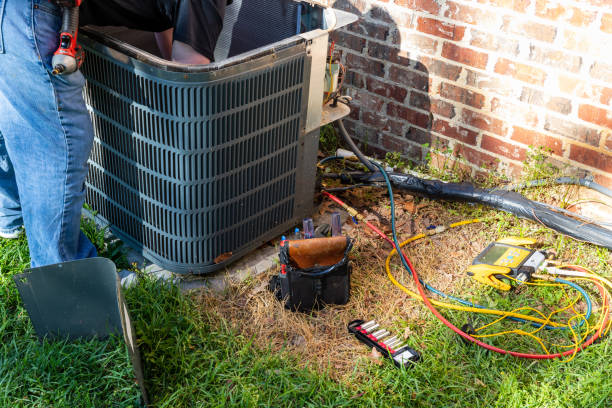
Maintaining a functional and efficient air conditioning (AC) system is essential for comfort, especially during the warmer months. However, repairs or replacements to your AC system often come with costs that many homeowners may not anticipate. Understanding these expenses can help you make informed decisions and properly budget for your HVAC needs. Here’s a comprehensive guide to navigating the true costs of AC repairs and replacements.
Common Costs Associated with AC Repairs
- Refrigerant Leak Repair: A refrigerant leak can disrupt cooling efficiency. Fixing leaks and refilling refrigerant typically costs between $200–$1,000, depending on the severity of the issue.
- Compressor Replacement: If your compressor fails, replacing it may cost anywhere from $1,200–$2,800 depending on the size and model of your unit.
- Capacitor Replacement: This is one of the less expensive repairs, with replacement costs typically falling between $120–$400.
- Thermostat Issues: Replacing or repairing a faulty thermostat can cost $150–$500, depending on whether you choose a basic or smart thermostat model.
- Fan Motor Repair/Replacement: Fixing or replacing an indoor or outdoor fan motor ranges from $300–$600.
Cost Factors for Full AC Replacements
- Central air systems typically cost between $3,800–$7,500.
- Ductless mini-split systems range from $2,000–$5,000 per unit installed.
- Window units are more affordable at approximately $150–$750 per unit.
- Energy Efficiency (SEER Rating)
Systems with higher Seasonal Energy Efficiency Ratio (SEER) ratings often have higher upfront costs but save you money over time through reduced energy bills. - Home Size
Larger homes require higher-capacity units to cool effectively, which increases both equipment and installation costs. - Labor Costs
Professional installation generally adds $1,500–$3,000 in labor expenses to your total bill.
| Type of System | Average Replacement Cost ($) | Average Lifespan (Years) |
| Central Air | 3,800–7,500 | 12–15 |
| Ductless Mini-Split | 2,000–5,000 | 15–20 |
| Window Unit | 150–750 | 8–10 |
When Should You Consider Repairs Over Replacement?
- If repair costs exceed 50% of the value of a new unit or if your current system is over 10 years old.
- Frequent breakdowns may indicate that replacement is more cost-effective in the long run.
- Units using outdated refrigerants like R-22 (which has been phased out) should be replaced due to high maintenance costs associated with these systems.
Long-Term Benefits of Investing in a New Unit
- Improved energy efficiency reduces monthly utility bills.
- Better cooling performance ensures consistent comfort throughout your home.
- Modern systems often include warranties that cover parts and labor—saving money on future issues.
Taking time to evaluate current HVAC system performance as well as understanding potential repair versus replacement decisions can help homeowners make smarter financial choices while ensuring optimal indoor comfort year-round.
Key Factors That Influence the Cost of Orlando, FL HVAC Service Repairs and Replacements
When it comes to repairing or replacing your air conditioning system, understanding the factors that influence costs is essential. Several variables contribute to the final price, from the complexity of the repair to the materials required. Below is a detailed breakdown of key elements that can affect how much you’ll need to spend on your AC system.
1. Type and Age of the System
The type and age of your air conditioner play a significant role in determining costs:
– Central Air Conditioning Systems: These tend to be more expensive to repair due to their complexity and integration with ductwork.
– Ductless Mini-Split Systems: Repairs often cost less than central systems because they lack extensive ductwork. However, replacement or upgrades for multiple units can add up.
– Window Units: Generally inexpensive to repair or replace but may not be as efficient as other systems.
– Age Factor: Older systems often require more frequent repairs and harder-to-find parts, increasing overall costs.
2. Specific Component Issues
| Component | Average Repair Cost Range | Average Replacement Cost Range |
| Compressor | $600 – $1,200 | $1,500 – $3,000 |
| Evaporator Coil | $400 – $1,000 | $600 – $2,000 |
| Thermostat | $100 – $300 | $150 – $500 |
| Capacitors & Fuses | $75 – $350 | N/A |
If multiple components fail at once or if major parts like the compressor need replacing, it may make more sense financially to replace the entire unit.
3. Labor Costs
Labor rates vary depending on location and the complexity of work required:
– Urban areas typically have higher labor rates due to increased demand for HVAC technicians.
– Repairs that involve significant diagnostic work (e.g., refrigerant leaks) may require more labor hours compared to straightforward fixes.
4. Efficiency Ratings and Upgrades
The efficiency rating (SEER rating) of your AC system also impacts repair/replacement costs:
– High-efficiency units are generally more expensive upfront but save money in energy consumption over time. – If upgrading during a replacement, rebates from federal programs or local energy companies may offset some costs.
5. Refrigerant Type Used in Your System
Air conditioners using older refrigerants like R-22 (Freon) tend to incur higher maintenance costs as this refrigerant has been phased out in favor of environmentally friendly alternatives like R-410A. Retrofits may be necessary if repairs involve refilling refrigerants.
6. Seasonal Demand Variations
Timing can also affect pricing:
– Peak season (summer): Higher demand for HVAC services leads to increased pricing. – Off-season (fall and spring): Many contractors offer discounts during these periods due to reduced workloads.
Effective Cost Management Tips from a Leading HVAC Company Orlando
- Regular Maintenance: Schedule annual inspections and cleanings for your AC unit to prevent major issues from arising unexpectedly.
- Energy-Efficient Models: If replacing your unit, invest in energy-efficient systems with high SEER ratings for long-term savings.
- Warranty Coverage: Check whether repairs are covered under warranty by either the manufacturer or installer.
- Compare Quotes: Obtain estimates from multiple HVAC contractors before committing.
- Rebate Research: Investigate rebates or incentives offered by energy providers for upgrading older systems.
Understanding these factors allows homeowners to make informed decisions about repairs or replacements while minimizing unexpected expenses efficiently.
Key Factors That Influence the Cost of Orlando Air Conditioning Repair and Replacements
The cost of air conditioner repairs and replacements can vary significantly depending on a range of factors. Understanding these variables can help homeowners make informed decisions while budgeting for their HVAC system’s upkeep. Below, we explore the key elements that influence AC repair and replacement costs.
1. Type and Age of the Air Conditioning Unit
The type and age of your AC unit play a crucial role in determining repair or replacement expenses.
- Central Air Conditioners: Typically more expensive to repair due to their size, complexity, and integrated ductwork systems.
- Ductless Mini-Split Systems: Repairs may cost less than central systems but can vary depending on the number of zones.
- Window or Portable Units: Usually more affordable to repair but often replaced rather than fixed because of lower upfront costs.
Older units may also require specialized parts that are harder to find, which could increase costs. Units over 10–15 years old are often less energy-efficient, making replacement a more cost-effective solution in some cases.
2. Specific Repair Requirements
The nature of the problem directly impacts the overall price.
| Common AC Issues | Approximate Repair Costs* |
| Refrigerant Leaks | $200–$1,500 |
| Compressor Failure | $1,200–$2,800 |
| Capacitor or Motor Replacement | $150–$700 |
| Thermostat Issues | $100–$500 |
| Clogged Drain Lines | $75–$250 |
*Estimates vary based on region and contractor rates.
Complex repairs like compressor failures tend to be costlier compared to simpler fixes such as replacing a capacitor.
3. Labor Costs
- Location: Urban areas may have higher labor costs compared to rural regions.
- HVAC Technician Expertise: Certified professionals with advanced skills might charge higher rates but offer reliable services.
- Emergency Repairs: After-hours or same-day services usually involve premium fees.
Expect hourly rates ranging from $75 to $150 or even higher for specialized repairs.
4. Seasonal Demand
HVAC repair demand peaks during summer months when air conditioning is essential. During these times, contractors may charge higher prices due to increased workload. Scheduling maintenance during off-peak seasons can reduce costs while ensuring your system is prepared for high-demand periods.
5. Warranty Coverage
- Manufacturer warranties typically cover parts but not labor.
- Extended warranties may provide broader coverage but at an additional upfront cost when purchasing the unit.
Review warranty terms prior to scheduling repairs so you understand what is covered versus out-of-pocket expenses.
6. Replacement Versus Repair Considerations
Signs Replacement Might Be Better: – The system requires frequent fixes within short intervals. – Repair costs exceed half the value of a new unit. – The system is over 15 years old and operates inefficiently despite maintenance efforts.
Energy savings from newer models can offset initial replacement costs over time through reduced utility bills.
By considering these factors carefully, homeowners can evaluate whether repairing or replacing their AC system aligns better with long-term needs and budgets while ensuring optimal indoor comfort year-round.
A Comprehensive Breakdown of Average Repair Costs for Different Types of Air Conditioning Systems
Understanding the costs associated with repairing or replacing different types of air conditioning systems can help homeowners make informed financial decisions. Whether you own a central air system, ductless mini-split, or window unit, repair expenses vary due to factors such as component complexity and labor costs. Here’s a detailed breakdown of average repair expenses across various AC systems.
1. Central Air Conditioning System Repair Costs
Central air conditioning systems are among the most common in residential properties, offering efficient cooling for entire homes via ductwork. However, their repairs can be relatively costly due to their size and complexity.
- Average Repair Cost: $150 – $800
- Refrigerant leaks: $200 – $500
- Compressor replacement: $1,200 – $2,000 (if not under warranty)
- Thermostat issues: $100 – $300
2. Ductless Mini-Split System Repair Costs
Ductless mini-split systems are prized for their flexibility and efficiency. These units are often more affordable to repair compared to central ACs but may still involve significant costs for certain issues.
- Average Repair Cost: $100 – $700
- Circuit board replacements: $200 – $600
- Fan motor repairs: $300 – $500
3. Heat Pump System Repairs
Heat pumps function as both cooling and heating systems, making them versatile options for year-round comfort. However, this dual functionality can lead to higher repair costs when something goes wrong.
- Average Repair Cost: $150 – $1,000
- Reversing valve replacement: Up to $650
- Refrigerant recharge: Approximately $250
4. Window AC Unit Repairs
Window AC units are compact and cost-effective but are generally less durable than other types of air conditioners. Their repairs tend to be cheaper but may not always be worth the investment if the unit is old or inefficient.
- Average Repair Cost: $50 – $300
- Fan blade replacements: Around $75
- Thermostat or control panel fixes: Approximately $100
Factors Influencing Cost Variations
- Age of the Unit – Older units often require harder-to-find replacement parts.
- Type of Problem – Minor fixes like thermostat issues cost less than major component replacements.
- Warranty Coverage – Units under warranty may only incur labor charges rather than full repair costs.
- Labor Rates in Your Area – Geographic location affects contractor fees significantly.
Should You Repair or Replace?
| Criteria | Consider Repairing | Consider Replacing |
| Age | Less than 10 years | Over 10 years |
| Frequency of Breakdowns | Occasional minor issues | Frequent major problems |
| Efficiency Level | Still meets modern efficiency standards | Consumes excessive energy |
By weighing these factors alongside the estimated costs provided above, homeowners can better evaluate their options when facing an AC issue.
How to Determine If Repairing or Replacing Your AC Unit Is the Right Choice
When your air conditioning system begins to fail, it’s often difficult to decide whether you should invest in repairs or replace the unit entirely. Making the right choice depends on a variety of factors, and a clear understanding of these can help you make an informed decision. Below is a detailed guide to assist homeowners in evaluating their options.
Key Factors to Consider
- The average lifespan of an air conditioning system is 10-15 years.
- If your unit is nearing or has exceeded this range, replacement might be more cost-effective than frequent repairs.
- If the result exceeds $5,000, replacement may be a better long-term option.
- Example: A $400 repair on a 12-year-old system (400 x 12 = $4,800) suggests repair might still be viable as it’s under $5,000.
- Older units are often less energy-efficient than newer models.
- Upgrading to an Energy Star-certified system can reduce monthly utility bills and offset initial replacement costs over time.
- If repairs are becoming frequent and costly within a short period, replacing the unit could save money and hassle in the long run.
- An AC that struggles to cool your home despite repeated fixes might indicate an issue with system size or outdated technology.
Signs It’s Time for AC Replacement
- Your energy bills have been steadily increasing despite maintenance efforts.
- The unit uses R-22 refrigerant (phased out in recent years due to environmental regulations).
- Significant issues with airflow or uneven cooling throughout your home.
- Unusual noises such as grinding or banging that persist even after repairs.
When Repairs Are Still a Viable Option
In some cases, repairing your existing air conditioner may make more sense if: – The system is relatively young (under 8 years old). – The issue involves minor components such as capacitors, relays, or thermostats. – The repair cost represents less than 30% of the cost of a new unit.
Comparing Costs: Repair vs Replacement
| Factors | Repair Costs Range | Replacement Costs Range |
| Minor Component Repairs | $150-$500 | N/A |
| Major Component Repairs | $500-$1,500 | N/A |
| Full System Replacement (Standard) | N/A | $3,000-$6,000 |
| High-Efficiency System Upgrade | N/A | $7,000-$12,000+ |
Note: Costs vary depending on factors such as unit size, brand quality, and labor rates.
Tips for Making the Final Decision
- Schedule an inspection with a certified HVAC contractor. They can provide professional insights into whether repair or replacement is more appropriate based on your specific situation.
- Consider financing options or rebates available for new systems if upfront costs are prohibitive.
- Evaluate long-term savings from improved energy efficiency when calculating overall costs for both options.
By carefully weighing these factors and seeking expert advice when necessary, homeowners can make confident decisions about their air conditioning systems while maximizing comfort and cost-efficiency over time.
Expert Tips for Choosing a Reliable HVAC Contractor for Your Home Needs
Look for Proper Licensing and Certification
- Verify that the contractor holds the necessary licenses as required by state or local authorities.
- Look for certification from recognized organizations such as North American Technician Excellence (NATE) or ACCA (Air Conditioning Contractors of America).
- Ensure they have insurance coverage to protect both you and their workers in case of accidents.
Check Experience and Reputation
- Opt for contractors with several years of experience in installing or repairing HVAC systems.
- Research the company’s reputation by reading online reviews on platforms like Google, Yelp, or Angi.
- Ask friends, family, or neighbors for recommendations to get firsthand insights into their reliability.
Request Written Estimates
Before hiring a contractor: – Get written estimates from multiple contractors to compare prices and services. – Avoid choosing solely based on low pricing—focus on value instead. – Ensure the estimate includes details like materials used, labor costs, warranties, and timeframes.
| Contractor Name | Services Offered | Estimated Cost | Warranty Provided |
| Contractor A | AC repair & installation | $250 – $1,000 | 2 years labor |
| Contractor B | Maintenance plans | $200/year | Parts: 1 year |
| Contractor C | Full system replacement | $3,500 – $7,000 | 10 years parts/labor |
Confirm They Perform In-Person Evaluations
A reliable contractor should inspect your home before offering solutions. This evaluation ensures: – Proper sizing of HVAC systems based on your home’s square footage and insulation levels. – Identification of specific issues such as ductwork problems or airflow inefficiencies.
Be cautious if a contractor provides an estimate over the phone without physically assessing your system.
Ask About Maintenance Plans
A good contractor should offer maintenance services to keep your system running efficiently. Regular maintenance can: – Extend the lifespan of your unit. – Reduce energy costs through improved efficiency.
Inquire about annual service plans that include routine checks and tune-ups.
Verify Warranties Offered
Reliable contractors stand behind their work by offering warranties. Ask about: – Manufacturer warranties for equipment installed. – Labor warranties covering installation or repairs performed.
Red Flags to Avoid
When evaluating contractors, watch out for these warning signs: 1. Lack of proper licenses or certifications. 2. Requests for large upfront payments before beginning work. 3. No physical address or verified online presence. 4. Pressuring you into immediate decisions without providing clear explanations.
By carefully considering these factors and conducting thorough research, you can select an HVAC contractor who meets your needs while ensuring peace of mind about your investment in home comfort systems.
The Benefits of Professional Orlando AC Repair for Your Cooling Needs
When it comes to maintaining a comfortable home environment, your air conditioning system plays a critical role. However, when issues arise—whether it’s an unexpected breakdown or the need for a new installation—many homeowners face the question: should I hire a professional HVAC contractor or try to handle it myself? While DIY solutions may seem appealing on the surface, hiring a professional HVAC contractor is essential for ensuring safety, efficiency, and long-term performance. Below, we explore key reasons why working with an expert is vital for AC repairs and installations.
Expertise and Certification
- Problems are accurately diagnosed.
- Repairs are performed according to industry standards.
- The lifespan of your unit is optimized.
Additionally, many states require HVAC technicians to be licensed, which means they have met stringent education and experience requirements.
Safety Precautions
- Ensures compliance with local safety codes.
- Handles hazardous materials such as refrigerants safely.
- Reduces risks of electrical shocks or fire hazards during the repair or installation process.
By hiring a professional, you minimize potential dangers while protecting your home and family.
Cost-Efficiency in the Long Run
| DIY Approach Risks | Professional Contractor Benefits |
| Improper diagnosis of issues | Accurate identification of problems |
| Higher chance of repeat issues | Reliable repairs with warranties |
| Potential damage to equipment | Proper repair techniques ensure longevity |
Warranty Protection
Many air conditioning units come with manufacturer warranties that require maintenance or repairs to be performed by licensed professionals. Attempting DIY fixes can void these warranties. A qualified HVAC contractor will perform work that aligns with warranty terms, safeguarding your investment.
Advanced Equipment
- Quickly detect hidden problems.
- Provide precise adjustments that improve system efficiency.
- Complete installations or repairs more effectively than untrained individuals.
Time Efficiency
AC repairs and installations can be time-consuming if you lack experience. A professional contractor has the skills needed to complete tasks efficiently without sacrificing quality. This means less time spent waiting in discomfort during hot weather conditions.
Peace of Mind
Hiring a professional ensures peace of mind knowing the job was done correctly the first time. You won’t have to worry about recurring issues caused by improper repair techniques.
Ultimately, while it may be tempting to cut corners on AC maintenance costs by avoiding professional help, doing so often leads to higher expenses down the line. Investing in a certified HVAC contractor not only protects your system but also ensures safety and energy efficiency in your home for years to come.
- Identifying When You Need Orlando AC Repair and Expert HVAC Assistance
- How to Know When to Call an AC Repair Company Orlando FL for a Replacement
- Signs You Need a New AC from a Trusted AC Repair Company Orlando FL
- Comparing Orlando AC Repair Costs vs Replacement for Your Home
- Understanding the True Costs of Hiring an AC Repair Company Orlando FL: A Complete Homeowner’s Guide
- Understanding Common AC Problems and How an HVAC Company Orlando Can Solve Them
- How to Recognize When to Call an AC Repair Company Orlando FL for Replacement
- The Importance of Choosing Orlando, FL HVAC Service for Your Home
Understanding Common AC Problems and How an HVAC Company Orlando Can Solve Them

Air conditioning systems are essential for maintaining comfort in homes and businesses, especially during warmer months. However, like any other system, they can experience issues that affect their performance and efficiency. Understanding common AC problems and knowing how an HVAC contractor can address them is crucial in ensuring your cooling system functions optimally.
Common Air Conditioning Problems
- What it is: A refrigerant leak occurs when the coolant that circulates through your AC system to absorb heat escapes due to damaged or worn components.
- Signs: Inconsistent cooling, ice formation on coils, or hissing sounds.
- Solution: An HVAC contractor will identify the source of the leak, repair it, and recharge the refrigerant to the manufacturer-specified level.
- What it is: Evaporator coils freeze when airflow is restricted or there are low refrigerant levels.
- Signs: Poor cooling performance, visible ice on indoor components, or higher-than-usual energy bills.
- Solution: Professionals will inspect for airflow blockages (such as dirty filters), clear them, and restore proper function.
- What it is: Dust and debris clog air filters over time, limiting airflow and straining the system.
- Signs: Reduced cooling efficiency and uneven room temperatures.
- Solution: Replacing air filters regularly or cleaning reusable ones ensures optimal performance.
- What it is: The compressor circulates refrigerant through the system. Issues such as electrical problems or overheating can compromise its operation.
- Signs: AC unit not producing cold air or unusual noises from the outdoor unit.
- Solution: An experienced technician will diagnose compressor issues accurately—whether they require repair or replacement—and ensure proper electrical connections.
- What it is: Faulty thermostats may prevent your system from maintaining consistent temperatures.
- Signs: The unit cycles on and off irregularly or fails to respond to temperature settings.
- Solution: Contractors may recalibrate or replace broken thermostats for precise control of indoor comfort.
Why Work with a Professional HVAC Contractor?
- Expert Diagnosis: Contractors have advanced tools to pinpoint issues accurately without guesswork.
- Efficient Repairs: A professional has the training needed to repair complex components safely and quickly.
- Preventive Maintenance: Regular servicing by an expert prevents future breakdowns by addressing minor concerns early on.
- Energy Savings: Proper repairs optimize energy efficiency, reducing electricity usage while improving overall performance.
| Issue | Signs | Professional Solution |
| Refrigerant Leak | Ice on coils; inconsistent cooling | Repair leaks; recharge refrigerant |
| Dirty Air Filter | Weak airflow; uneven temps | Replace/clean filters |
| Frozen Coils | Poor cooling; visible ice | Clear blockages; fix airflow |
| Thermostat Problem | Irregular cycling | Calibrate/replace thermostat |
| Compressor Issue | No cold air; loud noises | Diagnose & repair/replace part |
Final Thoughts
When faced with common AC problems like those mentioned above, consulting an experienced HVAC contractor ensures reliable solutions tailored to your specific needs. Regular maintenance further enhances system longevity while saving you money in the long term by avoiding major breakdowns.
Essential Signs You Need Orlando AC Repair for Your Cooling System
Air conditioning units are essential for maintaining a comfortable indoor environment, especially during hot months. However, like any other appliance, they have a finite lifespan and will eventually require replacement. Knowing when your AC unit needs to be replaced can save you from costly repairs, energy inefficiencies, and unexpected breakdowns. Below are key signs that indicate your air conditioning unit may require immediate replacement.
Common Signs of AC Unit Failure
- If you find yourself calling an HVAC contractor multiple times within a short period, it might be more cost-effective to replace the unit altogether.
- A general rule of thumb is that if repair costs exceed 50% of the price of a new system, replacement becomes the better option.
- Uneven temperatures throughout your home or an inability to maintain desired settings could point to failing components or an undersized system.
- Older systems may lose their efficiency over time, making it harder for them to cool your space evenly.
- A significant increase in utility bills without any change in usage often signals declining energy efficiency.
- Newer models are designed to meet stricter energy standards and could save you money in the long run.
- If your AC unit still uses R-22 refrigerant (also known as Freon), it’s time for an upgrade since its production has been phased out due to environmental concerns.
- Modern units use eco-friendly refrigerants and come with advanced features like smart thermostats and variable speed motors for better performance.
When Age Becomes a Factor
Most air conditioners have a lifespan of 10–15 years with regular maintenance. If your system is approaching or beyond this age range, it’s likely time for a replacement. Older systems are not only less efficient but also prone to more frequent mechanical issues.
| Age of Unit | Suggested Action |
| Less than 10 years | Repairs might still be viable |
| 10–15 years | Consider replacement |
| Over 15 years | Replacement is recommended |
Warning Noises That Indicate Serious Issues
- Grinding or Screeching Sounds: Could signal motor failure or worn-out parts.
- Banging or Clanking Noises: May suggest loose or broken internal components.
- Hissing Sounds: Often point to refrigerant leaks which can damage both the system and the environment.
If these noises persist after routine maintenance, consulting with an HVAC professional is crucial.
Delayed Cooling Response
When your air conditioner takes much longer than usual to cool down your home—or fails entirely—this could be indicative of failing compressors or malfunctioning fans. Replacing such critical parts can be expensive compared to investing in a new system altogether.
Benefits of Timely Replacement
- Improved energy efficiency with modern systems
- Enhanced indoor air quality due to advanced filtration technologies
- Quieter operation compared to aging systems
- Long-term cost savings on repairs and utility bills
Investing in a new AC unit not only improves comfort but also provides peace of mind regarding reliability during peak cooling seasons.
Remember that working closely with a trusted HVAC contractor ensures you select the right system tailored to your home’s specific needs while ensuring proper installation for maximum performance and longevity.
How to Know When You Need Orlando Air Conditioning Repair or Replacement
Air conditioning units play a crucial role in keeping your home comfortable during warmer months. However, like any mechanical system, they don’t last forever. While regular maintenance and minor repairs can extend an AC unit’s lifespan, there are certain situations where replacement becomes unavoidable. Recognizing these signs early can save you from costly repairs and ensure your system operates efficiently.
Key Indicators Your Air Conditioning Unit May Need Replacement
- If you find yourself constantly calling an HVAC contractor to fix recurring problems, it may be time to consider a new unit.
- Compare repair costs: If the cumulative repair expenses are more than 50% of a new system’s cost, replacement is often the more economical choice.
- Are some rooms too cold while others are not cool enough? This could indicate that your AC is no longer able to distribute air effectively.
- Older units often lose their cooling efficiency due to wear and tear on critical components like compressors or evaporator coils.
- A sudden spike in utility costs may be linked to an inefficient AC system working harder than necessary to maintain desired temperatures.
- Modern systems with higher SEER (Seasonal Energy Efficiency Ratio) ratings are designed to reduce energy consumption significantly when compared to outdated models.
- Most air conditioning units last between 10-15 years with proper maintenance. If your unit is approaching or exceeding this range, it’s likely nearing the end of its life cycle.
- Grinding, squealing, or banging noises often indicate internal component failure that could signal the need for replacement rather than repair.
- Musty odors might suggest mold growth due to poor drainage or outdated design flaws in older systems.
- The phase-out of R-22 refrigerant has made maintaining older systems that rely on it increasingly expensive and environmentally unsustainable.
- Upgrading to a modern unit compatible with eco-friendly refrigerants can lower maintenance costs and align with environmental regulations.
Benefits of Replacing Your Outdated AC System
| Benefit | Description |
| Enhanced Efficiency | Newer models consume less energy while providing superior cooling capacity. |
| Improved Indoor Comfort | Advanced features like variable-speed fans ensure consistent temperatures. |
| Lower Maintenance Costs | Reduced risk of breakdowns thanks to modern technology and warranties. |
| Environmental Compliance | Compatible with newer eco-friendly refrigerants such as R-410A or R-32. |
When Should You Call an HVAC Contractor?
- An experienced contractor will inspect the current system thoroughly before recommending replacement.
- They can help you choose an appropriately sized unit tailored for your home’s needs.
- Professional installation ensures optimal performance and prevents common issues stemming from improper setup.
Recognizing these warning signs early allows homeowners to make informed decisions about replacing their air conditioning systems before emergency situations arise. Proper planning can lead to improved comfort, cost savings, and long-term peace of mind for years ahead.
How to Choose the Right HVAC Contractor for Quality AC Replacement Services
Choosing the right HVAC contractor for air conditioning (AC) replacement is an essential step in ensuring a smooth, efficient installation process and long-term system reliability. With numerous contractors available, it’s important to evaluate your options carefully to avoid unnecessary expenses or poor-quality work. Below are key factors to consider when selecting a professional HVAC contractor.
1. Verify Licensing and Certifications
A reputable HVAC contractor should have the proper licenses and certifications required by state and local regulations. Qualified contractors often hold certifications such as:
– NATE (North American Technician Excellence): This certification ensures technical expertise in heating, ventilation, air conditioning, and refrigeration. – EPA Certification: Contractors handling refrigerants must comply with Environmental Protection Agency (EPA) standards. – Manufacturer Certifications: Some contractors have specialized training from specific HVAC manufacturers for installing or servicing their products.
Request proof of licensing and certifications to ensure that the contractor you choose meets industry standards.
2. Check Experience and Reputation
Experience matters when it comes to AC replacement projects. Look for contractors who have been in business for several years and have experience working with systems similar to yours. A company with a proven history of successful installations is less likely to encounter unexpected challenges during your project.
Additionally, assess the contractor’s reputation by:
– Reading online reviews on platforms such as Google, Yelp, or Angi (formerly Angie’s List).
– Requesting references from past clients.
– Checking their Better Business Bureau (BBB) rating for complaints or disputes.
3. Request Detailed Estimates
Before making a decision, obtain written estimates from at least three contractors for your AC replacement project. A detailed estimate should include:
– Equipment costs (model numbers of units being installed).
– Labor fees and additional costs like permits or ductwork adjustments if necessary. – Timelines for project completion.
Be cautious of unusually low bids, as these may indicate substandard materials or inexperienced technicians.

4. Confirm Insurance Coverage
A reliable HVAC contractor carries both liability insurance and worker’s compensation coverage. Liability insurance protects you if there is damage to your property during installation, while worker’s compensation ensures you are not held responsible if a technician is injured on-site.
Ask for proof of insurance before signing any contracts.
5. Evaluate Communication Skills and Professionalism
A high-quality contractor will prioritize excellent customer service throughout the process by:
– Responding promptly to inquiries. – Clearly explaining recommendations regarding equipment options. – Providing transparent answers to all questions about pricing or warranties.
Good communication can help build trust between you and the contractor while avoiding misunderstandings.
Comparison Table: Key Factors When Choosing an HVAC Contractor
| Factor | Why It Matters | What To Look For |
| Licensing & Certification | Ensures compliance with regulations | NATE/EPA certifications; licenses from local authorities |
| Experience & Reputation | Demonstrates reliability in completing projects | Positive reviews; established business history |
| Detailed Estimates | Prevents unexpected costs | Transparent pricing breakdowns |
| Insurance Coverage | Protects against liabilities | Proof of valid liability/workers’ compensation policies |
| Communication Skills | Ensures smooth collaboration | Prompt responses; clear explanations |
By comparing contractors across these criteria, you can confidently select one that meets your needs while providing quality AC replacement services—ultimately saving time, money, and future headaches down the line.
Exploring Solutions for Refrigerant Leaks and Their Impact on Your Cooling System
Refrigerant leaks in air conditioning systems are a common yet serious problem that can significantly affect the performance and efficiency of your cooling system. These leaks not only compromise the ability of your AC unit to cool your home but can also lead to increased energy bills and potential environmental harm. Understanding solutions for refrigerant leaks and their impact is critical, and professional HVAC contractors play a key role in addressing these issues effectively.
What Causes Refrigerant Leaks?
- Corrosion of Metal Components: Over time, formic acid or formaldehyde corrosion can create pinhole-sized leaks in copper coils.
- Improper Installation: Errors during installation can lead to weak connections or improper sealing, which may result in leaks.
- Factory Defects: Manufacturing defects may cause flaws in the refrigerant lines or coils.
- Wear and Tear: Prolonged use without proper maintenance often leads to deterioration, increasing the risk of leaks.
Signs of Refrigerant Leaks
- Reduced cooling performance: Rooms don’t reach the desired temperature despite prolonged AC operation.
- Hissing or bubbling noises: This indicates refrigerant escaping from small cracks or holes.
- Increased energy bills: A leaking system works harder, consuming more energy.
- Ice formation on evaporator coils: Low refrigerant levels reduce pressure, causing coils to freeze.
Why Refrigerant Leaks Are a Concern
| Problem | Impact |
| Reduced Efficiency | The system takes longer to cool spaces, consuming more electricity. |
| Environmental Damage | Released refrigerants contribute to ozone depletion and global warming. |
| System Damage | Low refrigerant levels force compressors to work harder, increasing wear and tear risk. |
Common Solutions for Refrigerant Leaks
- Leak Detection: HVAC contractors use specialized tools such as electronic leak detectors, UV dyes, and pressure tests to locate even minor leaks accurately.
- Repairing Damaged Sections: Depending on the severity of the leak, contractors may repair damaged components by sealing small pinholes or replacing compromised parts like copper lines or coils.
- Recharging Refrigerant Levels: After repairing a leak, professionals will recharge your system with the appropriate amount of refrigerant based on manufacturer specifications.
- Preventive Maintenance Plans: Regular service checks ensure that minor issues are addressed before they escalate into major problems.
Why Professional HVAC Assistance is Vital
Handling refrigerants requires proper training and certifications due to both safety concerns and environmental regulations like those outlined by the EPA Clean Air Act Section 608 Compliance Standards.
- Accurate identification of all leakage points without damaging other components.
- Proper handling and disposal of old refrigerants per legal guidelines.
- Use of advanced equipment that ensures long-term solutions rather than temporary fixes.
By hiring an experienced professional for addressing refrigerant leaks, you’ll protect your investment while ensuring optimal cooling performance year-round without unnecessary downtime.
Finding an AC Repair Company Orlando FL: Causes of Frozen Evaporator Coils and When to Seek Help
Frozen evaporator coils are a common yet serious issue in air conditioning systems. Understanding the causes and concerns associated with frozen coils can help homeowners know when professional assistance is necessary. Below, we’ll explore the reasons behind this problem, why it’s concerning, and how to determine the right time to call an HVAC expert.
Causes of Frozen Evaporator Coils
- Dirty air filters that block airflow
- Blocked or closed vents and registers
- Obstructions in ductwork
- Refrigerant leaks caused by cracks or corrosion in refrigerant lines
- Improper refrigerant charge during installation or maintenance
- Incorrect temperature settings causing the system to overwork itself
- Faulty thermostat sensors not accurately reading room temperature
- Malfunctioning blower fans unable to circulate air properly
- Damaged expansion valves that fail to regulate refrigerant flow
Concerns Related to Frozen Evaporator Coils
- Reduced Cooling Efficiency:
Frozen coils prevent your AC unit from cooling effectively, causing uneven temperatures throughout your home. - Increased Energy Consumption:
An AC system with frozen coils works harder than usual, leading to higher energy bills because of inefficient operation. - Potential Damage to Components:
Continuous freezing can damage essential components like compressors or refrigerant lines, leading to expensive repairs or replacement. - Poor Indoor Air Quality (IAQ):
Restricted airflow due to frozen coils can reduce overall ventilation, potentially impacting your home’s indoor air quality by allowing humidity levels to rise.
When Should You Call an HVAC Expert?
- Visible frost or ice buildup on the evaporator coil itself
- Warm air blowing from vents despite the AC running constantly
- A sudden spike in energy bills without any change in usage habits
- Puddles of water forming beneath your indoor air handler as ice melts off coils
- Replacing dirty filters and cleaning ductwork for better airflow
- Repairing refrigerant leaks and recharging refrigerants where necessary
- Inspecting fan motors and expansion valves for mechanical faults
- Calibrating thermostats for accurate temperature control
Preventative Measures for Homeowners
| Maintenance Task | Frequency | Benefits |
| Replace air filters | Every 1–3 months | Promotes proper airflow |
| Schedule professional tune-ups | Annually | Identifies potential issues early |
| Clean vents & registers | Quarterly | Ensures unobstructed cooling |
| Monitor refrigerant levels | As recommended | Prevents leaks & inefficiency |
By addressing these simple tasks proactively, you reduce the likelihood of costly repairs while maintaining optimal comfort indoors.
Frozen evaporator coils are a manageable issue when identified early. Partnering with a licensed HVAC contractor ensures long-term reliability and efficiency for your cooling system without unnecessary complications stemming from delayed action.
Expert Orlando, FL HVAC Service for Electrical Control Issues in Your System
Electrical control issues in HVAC systems are among the most common causes of malfunction in air conditioning and heating units. These problems can lead to inefficiencies, frequent breakdowns, or even complete system failure if not addressed promptly. Understanding why these issues occur and why hiring a professional HVAC contractor is essential can save you time, money, and unnecessary stress.
Common Electrical Problems in HVAC Systems
- Poor or outdated wiring can cause irregular power supply to your system.
- This may result in circuit breaker trips or overheating of components.
- Capacitors store energy that powers the fan motor and compressor.
- A damaged capacitor can lead to difficulty starting the unit or intermittent operation.
- Relay switches control the flow of electricity within specific components.
- Malfunctioning relays can disrupt normal operation or prevent your system from turning on.
- Fuses protect your system from power surges.
- A blown fuse often indicates underlying electrical issues that need attention.
- An incorrect thermostat reading might cause inconsistent temperatures.
- Wiring issues within the thermostat could also impact its functionality.
Risks Associated with Ignoring Electrical Control Issues
- Safety Hazards: Faulty wiring or overheating components increase the risk of electrical fires.
- System Damage: Prolonged exposure to unstable currents can damage expensive parts such as compressors or motors.
- Reduced Efficiency: Frequent interruptions in power cycles reduce system efficiency, leading to higher energy bills.
- Complete Breakdown: Neglecting minor issues may escalate into major failures requiring costly repairs or replacement.
Why Professional Help is Essential
- Expert Diagnosis & Repair Professionals have the training and tools necessary to accurately diagnose complex electrical problems and perform precise repairs.
- Compliance with Safety Standards Licensed contractors adhere strictly to local codes and safety standards, reducing risks associated with DIY work.
- Prevent Further Damage Attempting repairs without adequate expertise could worsen existing problems, potentially voiding warranties or causing irreparable damage.
- Cost-Efficiency Professionals provide long-term solutions that prevent recurring repairs, ultimately saving you money over time.
Table: Comparison Between DIY vs Professional HVAC Repairs
| Aspect | DIY Repair | Professional Repair |
| Expertise | Limited | Extensive training & knowledge |
| Tools & Equipment | Basic tools | Advanced diagnostic tools |
| Safety | Higher risk due to inexperience | Adheres to safety regulations |
| Cost | Initially lower | Cost-effective over long term |
| Warranty Protection | May void warranty | Preserves warranty |
Final Thoughts
Electrical control issues in an HVAC system require immediate attention due to their potential impact on safety, efficiency, and overall performance. Hiring a professional HVAC contractor ensures proper diagnosis, safe repair practices, and long-term functionality for your air conditioning unit or heating system.
Electrical Control Issues in HVAC Systems and Why Professional Help is Essential
Electrical control issues are a common but often overlooked problem in HVAC systems. These issues can significantly impact the performance, efficiency, and safety of your air conditioning or heating system. Addressing these challenges requires a deep understanding of how HVAC systems operate, which is why professional help is essential. Below, we’ll explore some common electrical control issues, their causes, and why hiring an experienced HVAC contractor is the best course of action.
Common Electrical Control Issues in HVAC Systems
- The capacitor stores energy to start the motor in your air conditioning or heating unit. Over time, capacitors can wear out due to high temperatures or normal wear and tear.
- Symptoms: A failing capacitor may cause your system to struggle when starting or lead to intermittent functioning.
- Loose or damaged wiring can prevent proper transmission of electrical power throughout the system.
- Risks: Faulty wiring can cause short circuits, tripped breakers, or even fire hazards if left unaddressed.
- An improperly calibrated or broken thermostat can disrupt communication between the control panel and the HVAC unit.
- Signs: The system may fail to turn on, cycle irregularly, or fail to maintain a consistent indoor temperature.
- Relay switches help control which components of your HVAC system operate at specific times (e.g., fan motor vs compressor).
- When these switches fail, it could result in certain parts running constantly while others don’t function at all.
- Surges in power demand can blow fuses or trip circuit breakers within your HVAC system’s electrical setup.
- Cause: This often occurs due to overworked fans, compressors, or other components operating under stress.
Why Electrical Issues Should Be Handled by Professionals
- Safety Concerns: Handling high-voltage wiring and components without proper training poses serious risks such as electrocution or fire hazards.
- Accurate Diagnosis: Professionals use specialized tools like multimeters to pinpoint exact issues instead of relying on guesswork.
- Code Compliance: Certified contractors ensure all repairs meet local electrical codes for safety and legality purposes.
- Preventative Measures: An experienced contractor will inspect the entire system for potential future failures while addressing immediate concerns.
Preventing Electrical Control Issues
- Schedule annual inspections for both heating and cooling seasons.
- Replace worn-out parts (like capacitors) before they fail completely.
- Ensure surge protectors are installed to safeguard sensitive components during power fluctuations.
- Keep wiring clean from debris that could corrode connections over time.
| Issue | Common Cause | Solution Provided by Contractor |
| Capacitor Failure | Wear & Tear | Replace with compatible capacitor |
| Wiring Problems | Damaged/Loose Wires | Repair/Replace faulty wiring |
| Thermostat Malfunction | Improper calibration/damage | Recalibrate/Install new thermostat |
| Relay Switch Failure | Wear over time | Replace defective relay switch |
Final Thoughts on Professional Assistance
Electrical problems within an HVAC system require careful handling by trained professionals who understand both mechanical and electrical components of modern units. Ignoring these issues not only affects your comfort but also risks long-term damage to your equipment—potentially leading to more expensive repairs down the road. Trusting experts ensures that fixes are both efficient and safe while extending the lifespan of your entire system through precise workmanship.
- Identifying When You Need Orlando AC Repair and Expert HVAC Assistance
- How to Know When to Call an AC Repair Company Orlando FL for a Replacement
- Signs You Need a New AC from a Trusted AC Repair Company Orlando FL
- Comparing Orlando AC Repair Costs vs Replacement for Your Home
- Understanding the True Costs of Hiring an AC Repair Company Orlando FL: A Complete Homeowner’s Guide
- Understanding Common AC Problems and How an HVAC Company Orlando Can Solve Them
- How to Recognize When to Call an AC Repair Company Orlando FL for Replacement
- The Importance of Choosing Orlando, FL HVAC Service for Your Home